Surveillance Colonoscopy: Are We Doing Too Much?
The courage-to-do-less session, and the day's arc closing on itself: much of the surveillance burden is the invoice for yesterday's incomplete polypectomy — the masterclass two hours ago was also a surveillance-reduction intervention.
Running order (indicative)
- Head
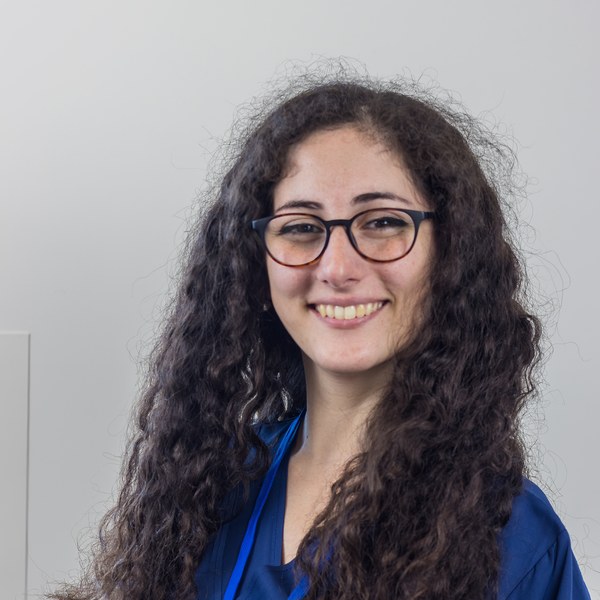
- Dr Lobke Desomeranchors the studio throughout
- Talk 1
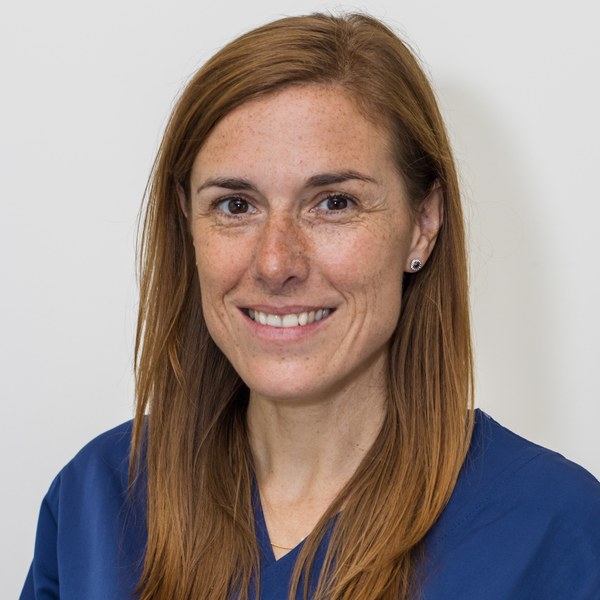
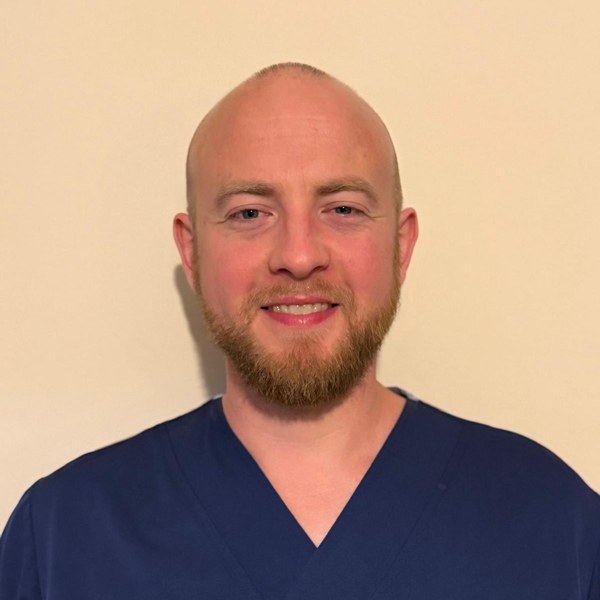
- Dr Barbara BastiaansenAre We Doing Too Much — and Following the Guidelines Anyway?
- Talk 2
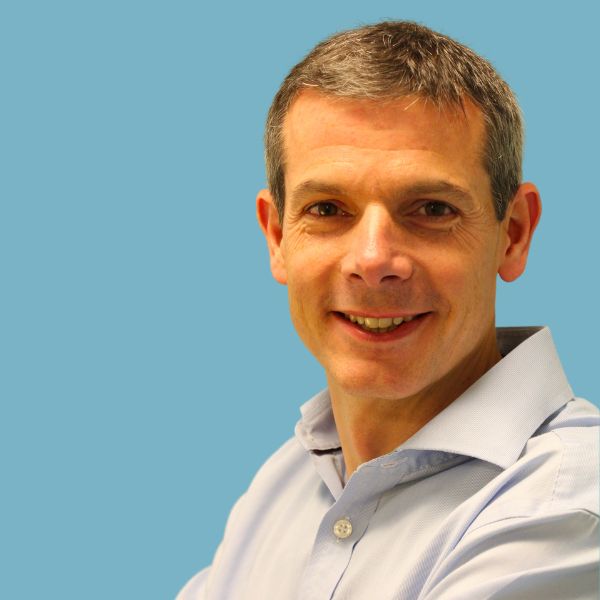
- Prof Matthew RutterSurveillance in the Elderly and Frail: When Stopping Is the Better Medicine
- Live case
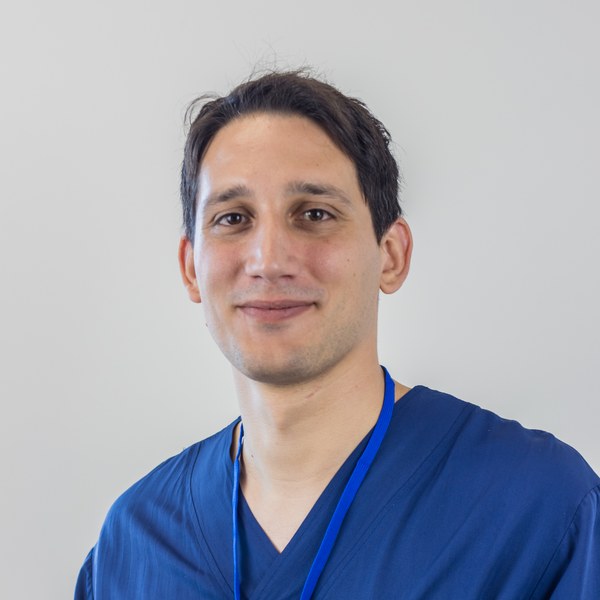
- Dr John AndersonProf Gianluca EspositoSurveillance colonoscopy with prior polyps — interval decision & withdrawal quality
- Discussion
- Allremaining session time
The session, as written
Lecture 1 — Current controversies: too much, and against the guidelines anyway. (Bastiaansen). Not a recital of intervals but a critique of the enterprise: guideline abuse and patient demand (Belgium's over-surveillance said out loud), the cost of early repeats and recall-system error — and the Kaminski paradox: the poor detector generates less surveillance and more cancer, so surveillance volume is the wrong thing to be proud of in both directions.
Lecture 2 — Surveillance in the elderly and frail: when stopping is the better medicine. (Rutter — chair of the BSG guideline revision). Frailty over chronological age, the pointlessness of resecting a one-centimetre lesion in someone's final years, and assigning the interval at the index scope — the route to cutting surveillance volume by roughly a third.
Live cases — the interval, decided live. Two surveillance colonoscopies with real polyp histories; the audience votes the interval (1, 3, 5 years — or discharge) against the guideline, then watches what the examination finds.