Photography, Documentation & Medicolegal Protection
The day's work is only as valuable as its record. Documentation protects patient and clinician at once, costs seconds rather than money — and the same discipline that survives a claim also improves the examination. The chair's framing carries the lived version: arriving in a unit with no structured reporting for any endoscopic procedure, and building it.
Running order (indicative)
- Head
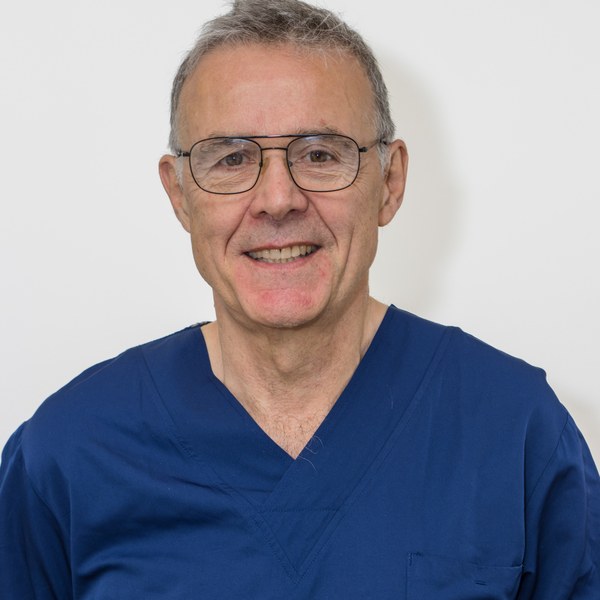
- Dr Roland Valorianchors the studio throughout
- Talk 1
- Prof Gianluca EspositoPhotography That Protects and Improves: Lesions, Landmarks and the Medicolegal Record
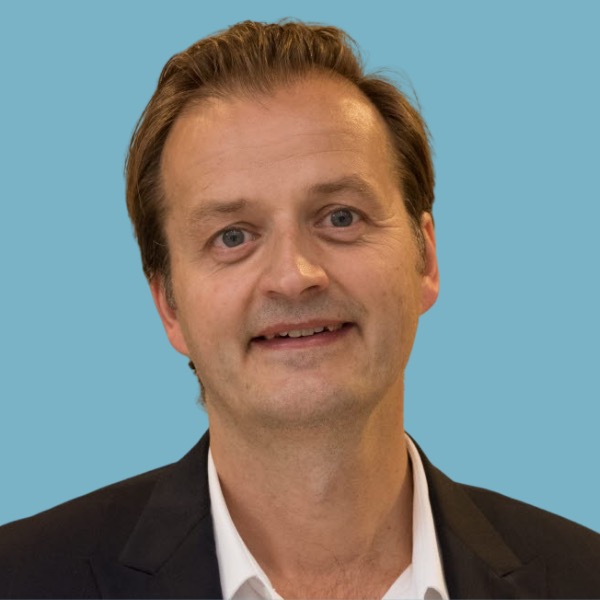
- Talk 2
- Prof Michael BretthauerTen Years After the ESGE Standards: Is Free-Text Reporting Still Excusable?
- Live case
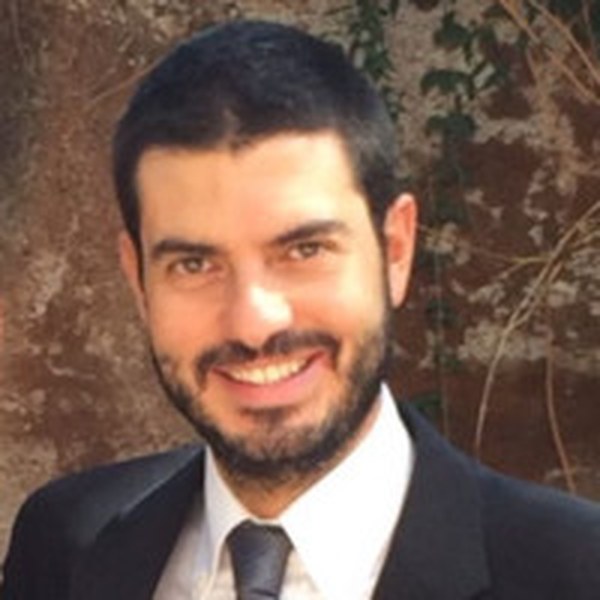
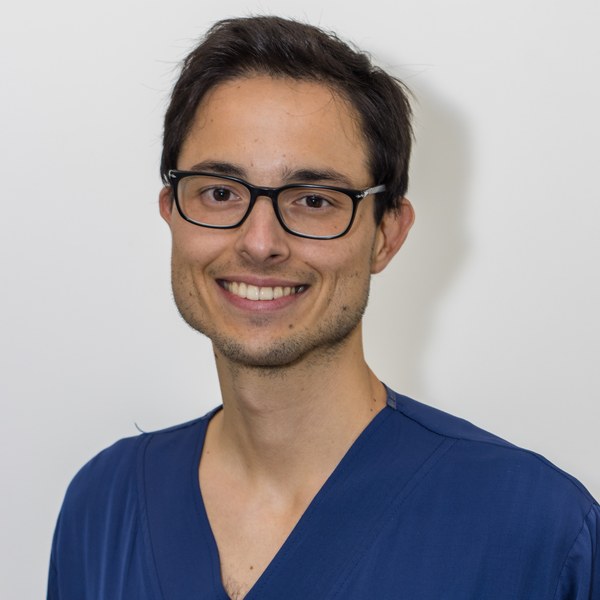
- Dr Andrea SorgeDr Philippe LeclercqLesion-rich gastroscopy documented live — minimum image set & structured reporting
- Discussion
- Allremaining session time
The session, as written
Lecture 1 — Photography that protects and improves. (Esposito). Landmarks every time, plus every abnormality — wide view first, then close with NBI or blue light. The deeper truth: taking a good photograph forces a careful look, and more photographs associate with fewer post-procedure cancers. Documentation as an instrument of quality, not just a shield.
Lecture 2 — Ten years after the ESGE standards: is free-text reporting still excusable? (Bretthauer — first author of the 2016 position statement). From position statement to 2026 reality: what structured reporting buys, what any modern unit must now have — deliberately polemic — and the honest global question: what should be expected of a unit with almost no resources, when digital capture has never been cheaper?
Live case — a lesion-rich gastroscopy, documented live. The minimum image set captured in real time on a stomach that keeps offering findings; of each, the discussion asks — would this record survive a challenge?