Training the Next Generation: Value Through Education
Training is a value decision like any other: structured, coached learning produces safer, faster endoscopists — and everything this meeting argued for survives only if it is taught. The session keeps its therapeutic focus deliberately — it is the one conversation almost nobody else is having — while the training-for-all-levels principle ascends to the Manifesto, where it belongs.
Running order (indicative)
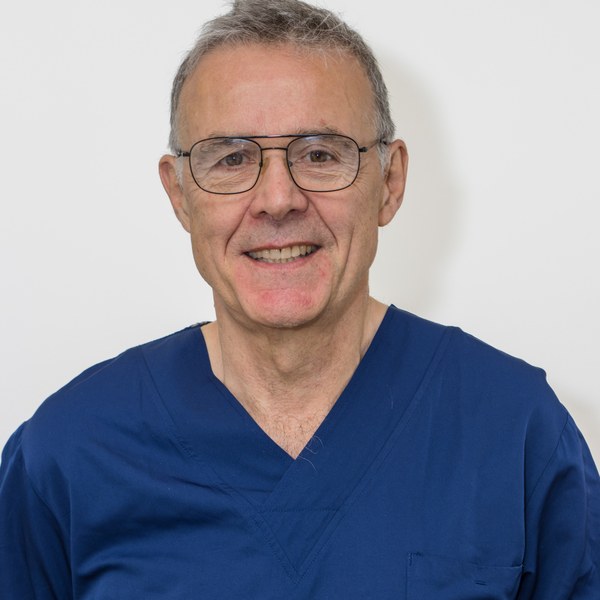
- Head
- Dr Roland Valorianchors the studio throughout
- Talk 1
- Prof David TateNo Blueprint Exists: The Ideal Training Pathway in Therapeutic Endoscopy
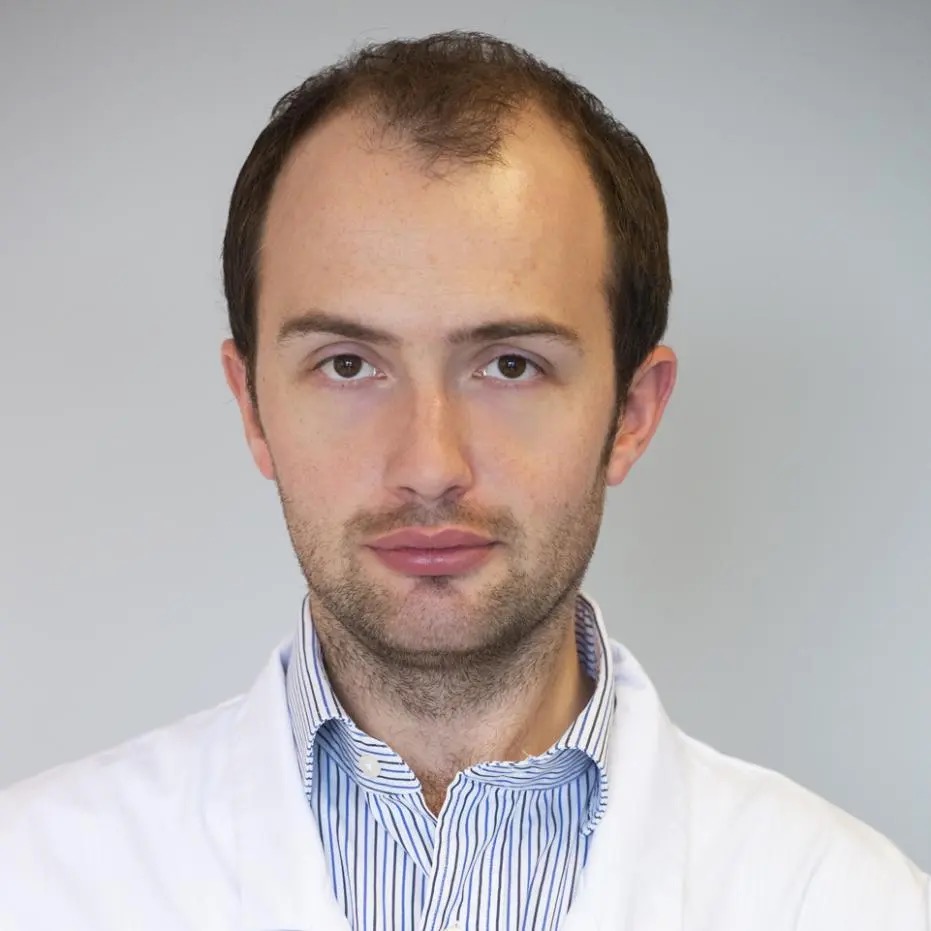
- Talk 2
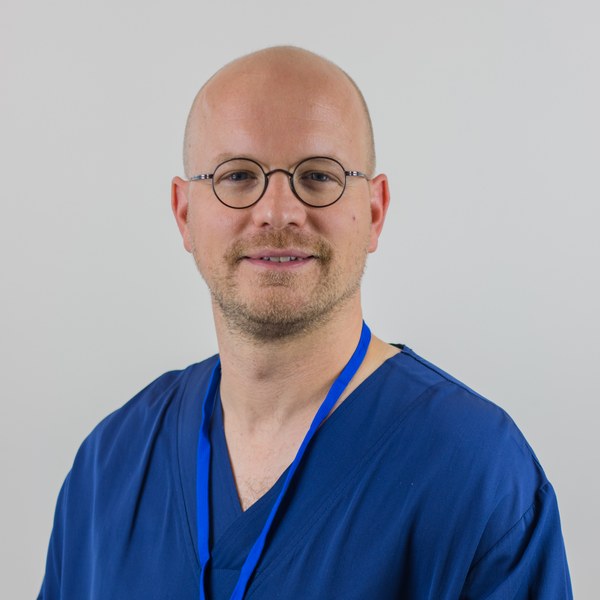
- Dr Pieter Jan PoortmansClosing Debate (Pro) — The Internet Can Train an Endoscopist
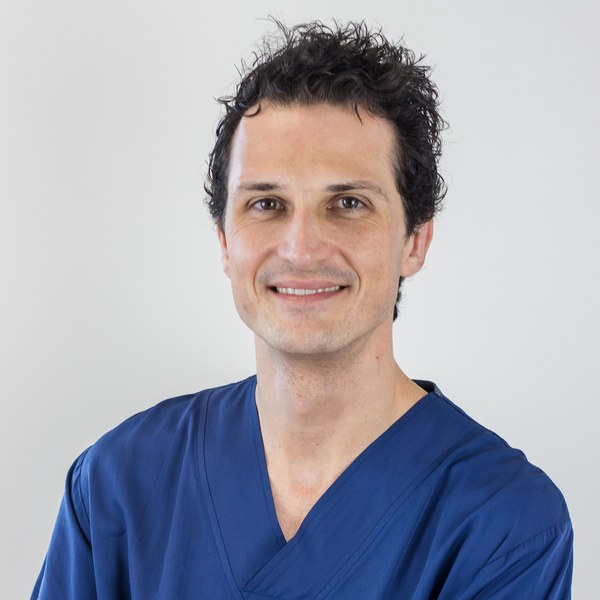
- Talk 3
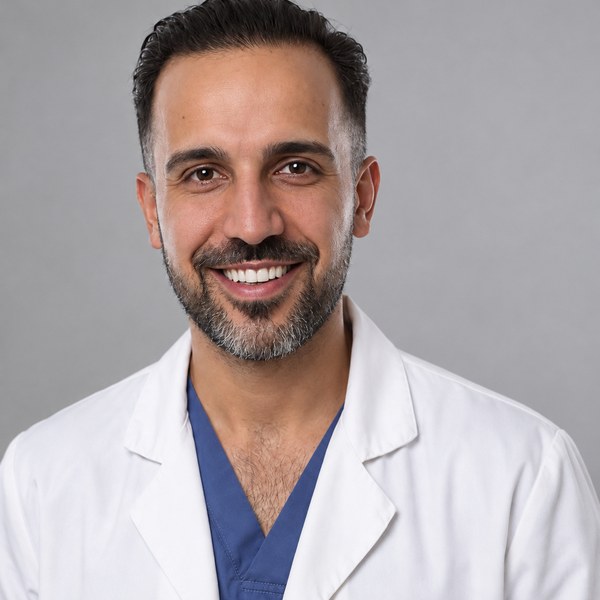
- Dr Amyn HajiClosing Debate (Against) — Nothing Replaces a Mentor in Your Ear
- Live case
- Dr John AndersonDr Adam MonodDr Luigi TuccilloRoutine colonoscopy / polypectomy for a trainee under live coaching
- Discussion
- Allremaining session time
The session, as written
Lecture — No blueprint exists: the ideal training pathway in therapeutic endoscopy. (Tate). Fellows chase fellowships because training never delivered; ESD training is red hot with no template. A proposed pathway — competency-based progression, validated observation tools — and why almost nobody is talking about this.
Live case — coaching, live. (Anderson coaching a fellow). A senior faculty member coaches a trainee through a real procedure: what to say, when to intervene, how to give feedback that improves performance without destroying confidence. An unusual thing to put on a live stage, and exactly why it belongs there.
The closing debate — Can the internet train an endoscopist? Virtual learning against remote mentorship, two positions of eight minutes and an audience vote — the last verdict of GIEQs VII, feeding straight into the Manifesto. The house is honest about the stakes: GIEQs itself is a virtual-learning platform, openly asking whether its own medium can replace a mentor in your ear.