Consequences of Suboptimal Resection Technique: the value of getting it right first time
The mirror image of the morning: what poor resection actually costs, itemised. This is the session that makes the training session after it inevitable.
Running order (indicative)
- Head
- Dr Lobke Desomeranchors the studio throughout
- Talk 1
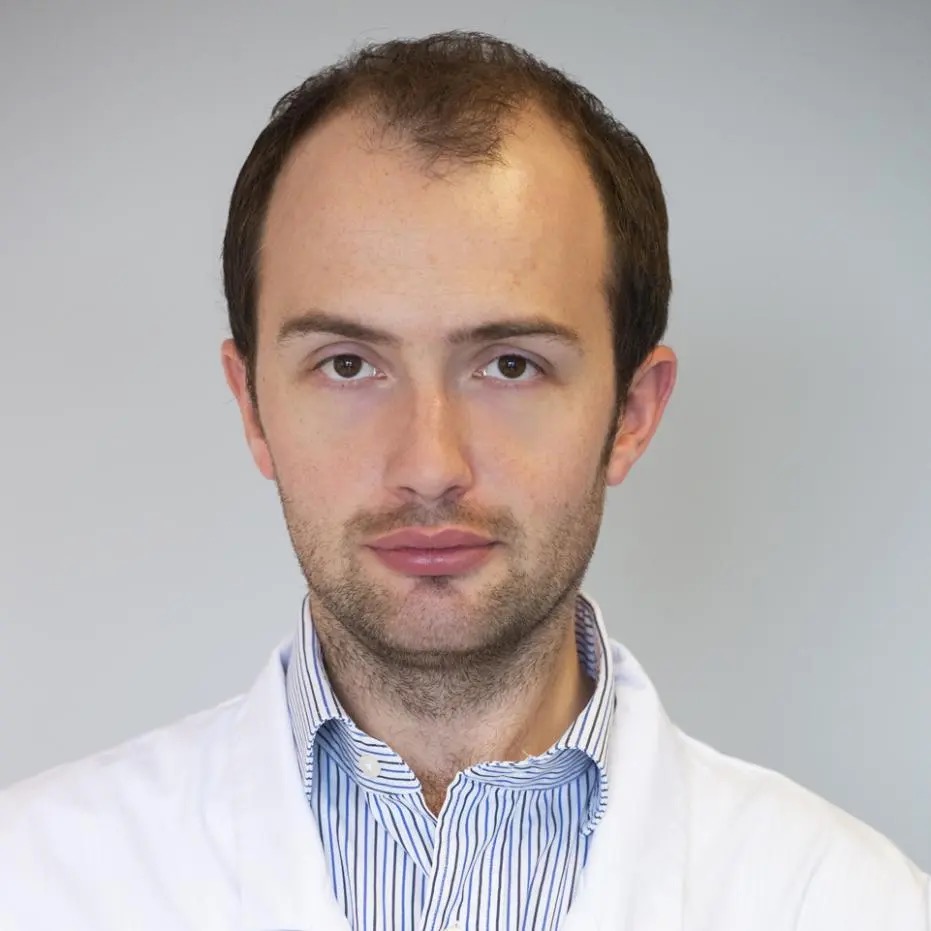
- Prof David TateIncomplete Excision: The Hidden Source of Recurrence
- Talk 2
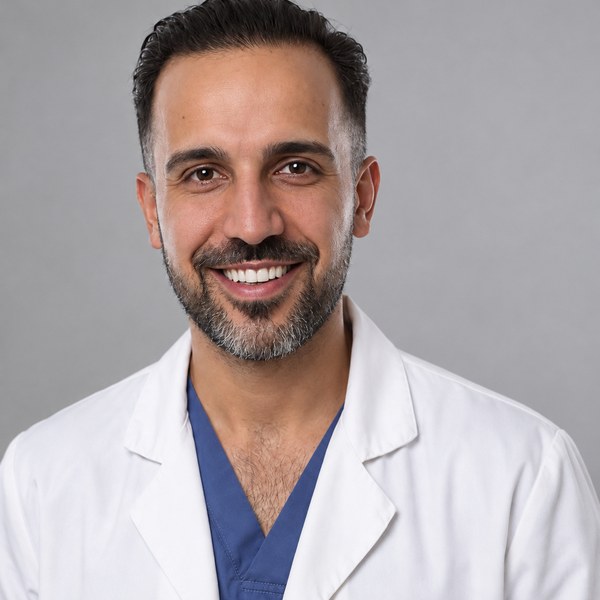
- Dr Philippe LeclercqThe Complications That End in Theatre
- Live case
- Dr Vikash LalaDr Christophe SchoonjansHigh-risk resection live to demonstrate complication prevention & rescue
- Discussion
- Allremaining session time
The session, as written
Lecture 1 — Incomplete mucosal excision: the hidden source of recurrence. (Tate). The evidence that "recurrence" is often incomplete resection by another name — islands and margins left behind at the index procedure, invoiced later as surveillance findings, repeat procedures and salvage referrals.
Lecture 2 — The complications that end in theatre. (Leclercq). The bleed that gets bailed on, the perforation recognised late, the incomplete polypectomy that becomes an operation: what a single surgical admission costs against the technique that would have prevented it — and the rescue skills that keep patients off the table.
Discussion — choosing the right technique, and prevention that pays. Matching technique to lesion as the first act of complication prevention; then the honest arithmetic of prophylaxis — clipping and coagulation by number-needed-to-treat, not by blanket habit. Fewer devices opened is prevention's quiet second dividend.
Live case — a high-risk resection. Prevention and rescue demonstrated on a lesion where things could genuinely go wrong.