Live Advanced Resection Masterclass: Building & Running a High-Value Resection Service
The Friday flagship, reframed: not a spectacle of individual procedures but a demonstration of how a high-value complex-resection service actually runs — multiple rooms, floating expertise, the right case in the right room. One scope opened per room, not two: on this stage even the logistics argue the case.
Running order (indicative)
- Head
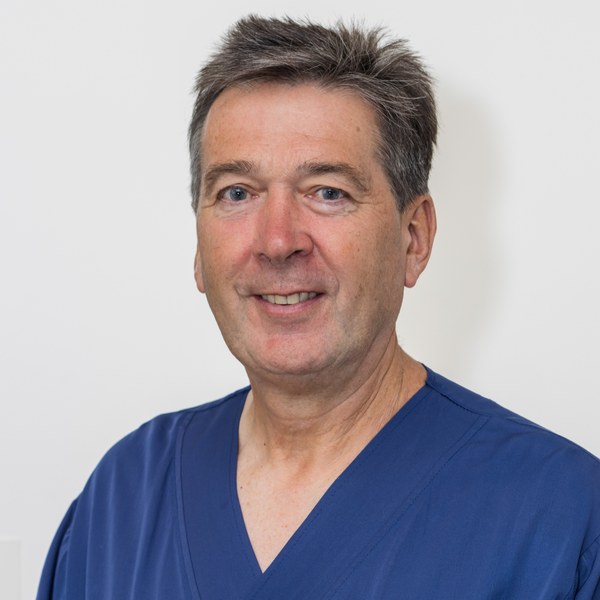
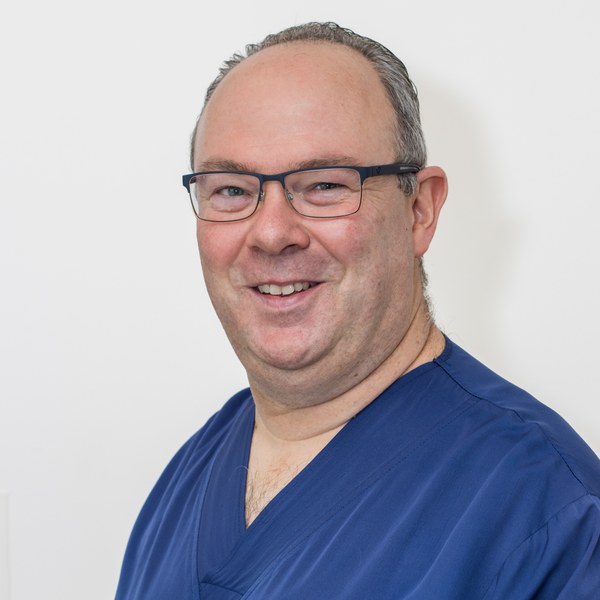
- Dr John Andersonanchors the studio throughout
- Talk 1
- Prof Cesare HassanESGE Keynote — What a Resection Service Owes Its Region
- Talk 2
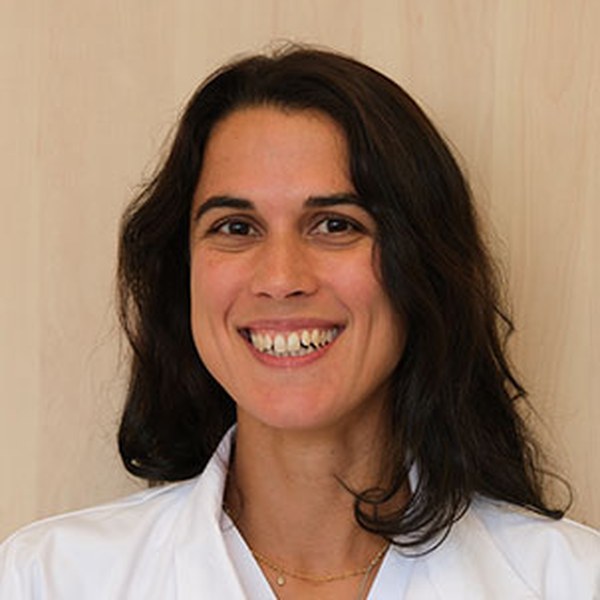
- Dr Mariana Figueiredo FerreiraThe Polyp MDT: Consent, Triage and the Right Lesion on the Right List
- Talk 3
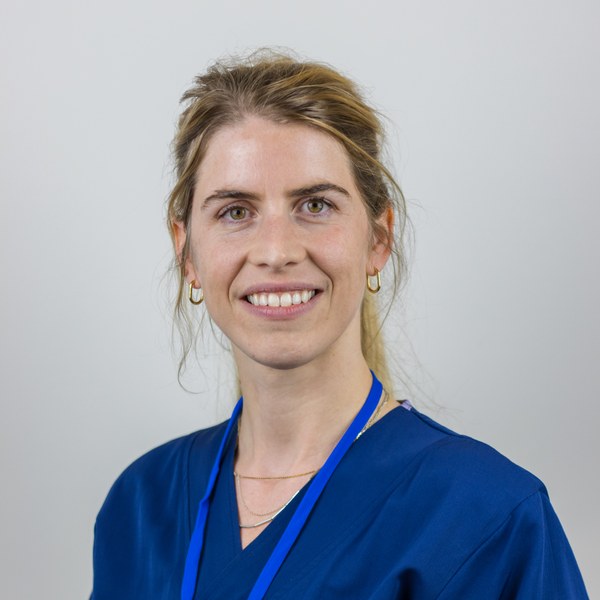
- Dr Lynn DebelsBuilding the Unit: How to Actually Run a High-Value Resection Service
- Live case
- Dr Amyn HajiDr Stefan Van LangendonckColonic ESD — laterally-spreading / non-lifting lesion (marking, dissection, deep-margin)
- Live case
- Prof David TateDr Youssef MourabitColorectal eFTR for a selected non-lifting / difficult lesion
- Discussion
- Allremaining session time
The session, as written
ESGE Presidential keynote — what a resection service owes its region. (Cesare Hassan). Guidelines, AI and equitable access — briefed to land on one question: what must a resection service deliver to justify its price? The next speakers answer it.
Lecture — The polyp MDT: consent, triage and the right lesion on the right list. (Figueiredo Ferreira). Who orders the scan, picks the operator, sets the timing? Two-stage consent with lesion-specific risk, late finishes against anaesthetic hours — triage as the heart of a high-value service.
Lecture — Building the unit: how to actually run it. (Debels). Endoscopic resection carries less mortality than surgery and preserves the organ; increasingly, dealing with the primary pathology first changes the whole pathway. Practically delivering that: lists, people, kit, and what the working unit looks like. (Depth-of-resection judgement — intramuscular, full-thickness, and what it does to closure — lives where the decision actually gets made: the T1 session after lunch.)
The service in action — three live chapters. Chapter 1: colonic ESD of a laterally spreading, non-lifting lesion. Chapter 2: colorectal eFTR of a selected difficult lesion — where full thickness replaces surgery and where it doesn't. Chapter 3: a small rectal NET after staging, with specimen handling that protects the pathology. Before each: sixty seconds on why not EMR, surgery, or referral?
Direction rule. Talks are capped at thirty-five of the hundred and twenty minutes; at least seventy-five minutes are live. The service framing is carried by the direction — the cuts between rooms, the chair's narration, the sixty-second selection beats — not by more talking. A stalled case is not a failure of the broadcast; it is the argument for the second room, said out loud.