Barrett's Surveillance: Getting More for Less
The first "should we?" applied to a programme rather than a procedure: Barrett's surveillance consumes enormous capacity and its value depends entirely on being organised, risk-stratified, and done well when it is done at all.
Running order (indicative)
- Head
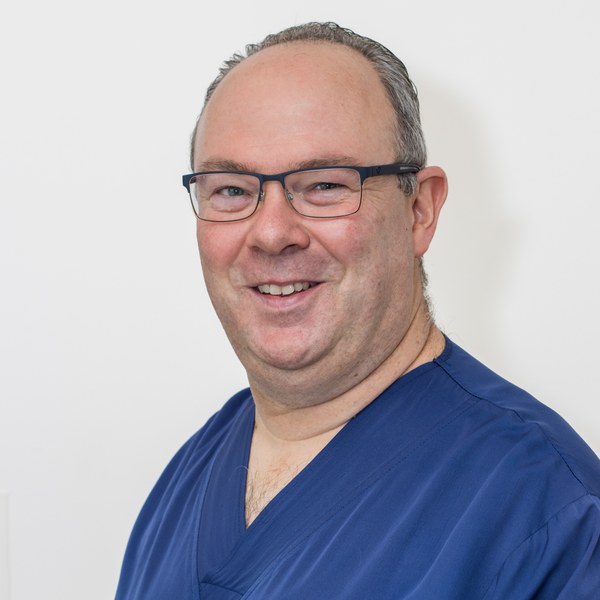
- Prof David Tateanchors the studio throughout
- Talk 1
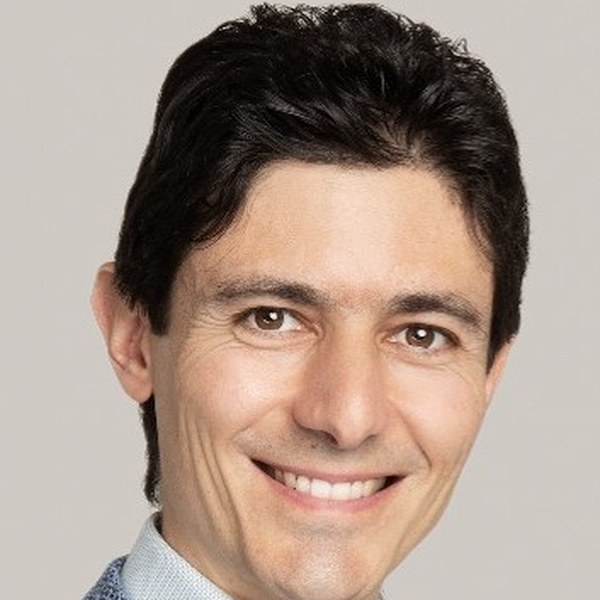
- Dr Massimiliano di PietroSurveillance That Runs Itself: Dedicated Lists, Inspection Time, Targeted Biopsies
- Talk 2
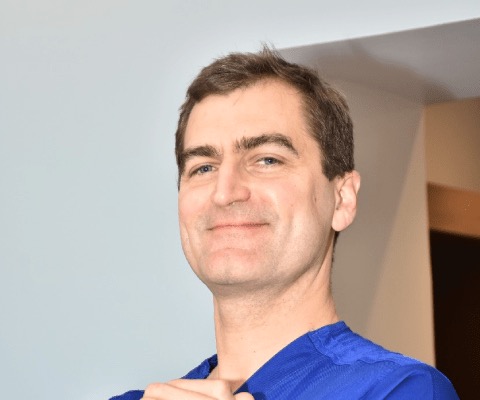
- Dr Sanne van MunsterDischarging Barrett's: Risk-Stratified Intervals and Lessons From the Dutch Criteria
- Live case
- Prof Raf BisschopsDr Michele MontoriBarrett's surveillance with a lesion to assess — structured NBI/BLI, targeted biopsy, resect-or-refer
- Discussion
- Allremaining session time
The session, as written
Lecture 1 — Surveillance that runs itself. (di Pietro). Dedicated lists, protected inspection time, targeted biopsy, and a recall system that actually recalls — the difference between surveillance as a programme and surveillance as a habit, without costing more.
Lecture 2 — Discharging Barrett's: risk-stratified intervals and the Dutch lesson. (van Munster). Who genuinely benefits from staying in the programme, who can safely leave it, and how to have that conversation honestly — with Holland's strict criteria as the working example of a country actually letting patients go.
Live case — a Barrett's segment with a lesion to assess. The session's centre of gravity: a real segment, assessed live with virtual chromoendoscopy. Where the image can be trusted, when the protocol still applies, and the rule that a visible lesion needs resection for staging, not another round of biopsies.